The best book marketing service for fantasy authors: Weekend Publisher vs. the alternatives
If you write fantasy or science fiction and you're looking for a book marketer, the short answer comes down to which model fits you. A Marketing Expert is a respected full-service agency with more than 25 years of experience across every genre. Reedsy is a marketplace where you can compare quotes from vetted freelancers. Weekend Publisher (my company) works with authors of emotional, entertaining fiction, and most of its work is in sci-fi and fantasy: 350+ authors, over $225,000 in managed ad spend, 106 five-star reviews on Reedsy, and pricing published right on this page.
Full disclosure up front: I run Weekend Publisher, so I obviously have a horse in this race. What I can promise is an honest comparison with real numbers, including the situations where one of the alternatives is the better pick for you. I'd rather tell you the truth than sell you a fantasy.
The comparison at a glance
| Service | Model | SFF focus | Published pricing | Best for |
|---|---|---|---|---|
| Weekend Publisher | Genre specialist (coaching + done-for-you ads) | Main focus: most of the work is SFF | Yes. Coaching $2,497; done-for-you ads from $4,000 | Indie SFF series authors who want profitable ads and honest numbers |
| A Marketing Expert | Full-service agency (25+ years) | All genres | No. Consultation required; their guide cites $7,500 to $15,000+ for comprehensive campaigns | PR-driven campaigns, nonfiction credibility, media outreach |
| Reedsy marketplace | Vetted freelancer marketplace | Varies by freelancer | Per-quote. Typical projects $570 to $1,320 (Reedsy's data) | One-off projects and comparing multiple quotes |
| BookBub / Written Word Media | Promotion platforms | Genre-targeted lists, no strategy | Yes. Roughly $25 to $3,000+ per promo | Short-term price-promo sales spikes |
| Scribe Media & premium agencies | Full-service publishing packages | Mostly nonfiction | Partially. Roughly $3,500 to $35,000+ | Executives and nonfiction platform-builders |
Sources: pricing and cost ranges from each provider's own published materials, including A Marketing Expert's 2026 cost guide, Reedsy's self-publishing cost data, and public rate cards for promotion platforms. For the full market breakdown, see what book marketing costs in 2026.
What fantasy and sci-fi authors actually need from a marketer
Before comparing services, it helps to know what you're evaluating them against, because speculative fiction has its own economics, and a marketer who doesn't know them will spend your money learning.
Series math comes first. Fantasy and sci-fi readers are series readers, and for most indie SFF authors Kindle Unlimited page reads, not front-list ebook sales, become the primary revenue stream. A single book rarely pays back its own marketing. That's not failure; it's how fiction economics work, and almost nobody explains it honestly. When you run ads, you're not buying a sale. You're buying a reader who moves through everything you write next. Across the 350+ authors I've tracked, profitability tends to kick in around the three-book mark.
Genre presentation is second. Covers, blurbs, categories, and keywords have to signal the right subgenre instantly. An epic fantasy cover that reads as historical fiction, or a military sci-fi blurb that buries the hook, will quietly kill otherwise good ad campaigns. This is where genre pattern knowledge pays: in recent creative testing across my clients' campaigns, warm-toned ad images featuring multiple characters have consistently outperformed dark, single-figure images. That's the kind of detail you only learn by running the same genre over and over. Length is part of that signal too — a book that lands far under the genre's average word count reads as thin before anyone opens it.
Paid traffic that converts is third. Facebook ads are the main driver of consistent sales for SFF fiction, because they find readers who have never heard of you. Amazon ads help with visibility inside the store but almost always cost more per new reader. The right answer is usually both, with Facebook doing the heavy lifting.
Measurement is fourth. Two numbers matter above everything: cost per new reader and value per new reader. When value exceeds cost, you scale. When it doesn't, you find where the funnel is breaking (cover, blurb, ad creative, or series structure) and fix it. A marketer who can't show you those two numbers is guessing with your budget. Here's how both numbers actually get calculated.
Weekend Publisher: the sci-fi and fantasy specialist
I'm JD Caron, based in Halifax, Nova Scotia. Before books, I worked in Air Force air traffic control and 911 dispatch, jobs where you read data under pressure and don't get to guess. I've spent the last seven-plus years applying that same discipline to book marketing: over 350 self-published authors, more than $225,000 in managed ad spend, and 106 five-star reviews (5.0 average) on Reedsy, where I've been a vetted professional since December 2019. I'm a Facebook Certified Digital Marketing Associate, Amazon Ads certified, and an approved member of the Alliance of Independent Authors (ALLi).
Weekend Publisher works only with science fiction and fantasy: epic fantasy, urban fantasy, military sci-fi, post-apocalyptic, and neighboring subgenres. That focus is the whole point. Because every campaign I run is in the same genre family, every test result compounds. I know which subcategories have real ceiling, what read-through rate a healthy trilogy shows, and which ad hooks fantasy readers actually click, because I've already paid to find out.
Services and pricing
- The Readership Engine, $2,497 USD. Six months of group coaching (weekly live sessions plus open office hours), a complete video library, and access to custom software that pulls your ad performance and royalties into one dashboard, so you open it and know whether things are working. Setup takes three to ten hours; after that, about an hour a week.
- Done-for-you ads management: from $4,000 USD. I run your Facebook and Amazon campaigns end to end: strategy, creative testing, weekly budget optimization, and reporting on cost per new reader. Ongoing management is $2,500 a month.
- Strategy and consultation. Focused audits of your ads, metadata, and series positioning with an actionable plan.
Just as important is what I don't do. I don't promise that book one will be profitable. The data says it usually isn't, and anyone who tells you otherwise is selling. I don't do influencer marketing: I've run the case studies, the numbers don't support it, so I don't offer it. And I don't hide pricing behind a sales call. It's printed above.
Coaching in practice looks less like a course and more like a working lab. Each week the group meets live to review real campaigns (actual ad creative, actual spend, actual read-through numbers), and members regularly run structured experiments together, like testing series-page ad campaigns across several catalogs and comparing results two weeks later. Between sessions, open office hours cover whatever's on the table that week: launch sequencing, review strategy that stays inside Amazon's terms of service, blurb rewrites, ad troubleshooting. Authors describe the difference simply: they stopped guessing and started measuring.
A few of those 106 Reedsy reviews, verbatim:
"JD offered tremendous value and insight at a very reasonable price point. Knowledgeable, kind, and a natural coach."
Julie T.
"JD is the real deal. He took time to understand me and walked me through everything with patience and expertise."
Dustin W.
"Always patient and accommodating. He's knowledgeable and gives honest opinions that ease overwhelming tasks."
Kate S.
The results: documented sci-fi and fantasy case studies
(debut fantasy)
(debut series author)
a $60 monthly loss
A debut fantasy launch: 5,372 copies in year one
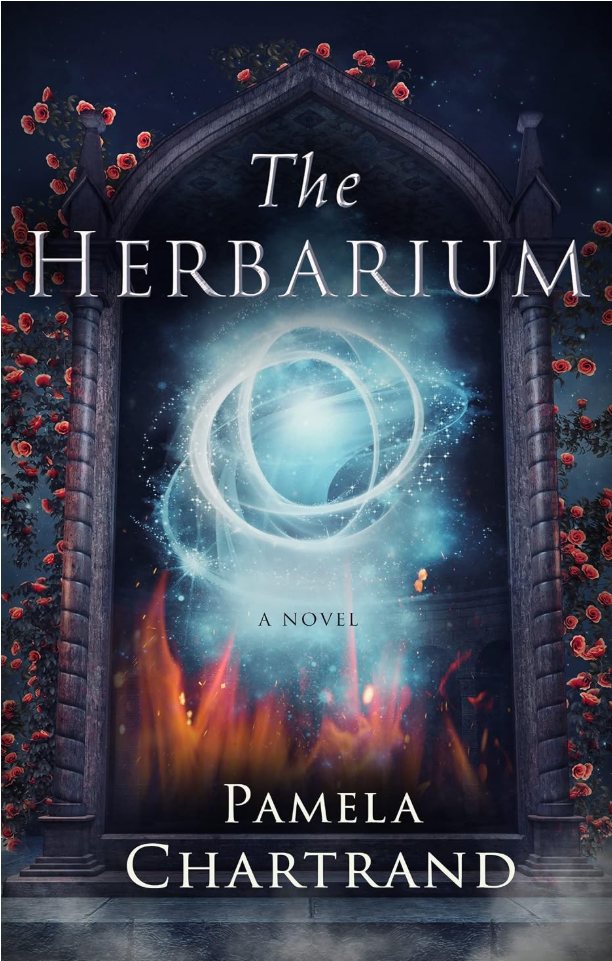
Pam, a debut fantasy author, came in with a common problem: "too much information, not enough direction." We rebuilt her presentation for the genre: a cover with a glowing orb and fiery tones that instantly signals magical adventure, metadata built on terms like "epic fantasy with female leads," and less competitive but highly relevant subcategories. Facebook ads introduced the book to fantasy readers and outperformed traditional price promotions in driving launch sales. Result: 5,372 copies sold in the first year, roughly 21 times the self-publishing average, and over 700 reviews within 12 months.
A debut series author: $200 a day in net profit
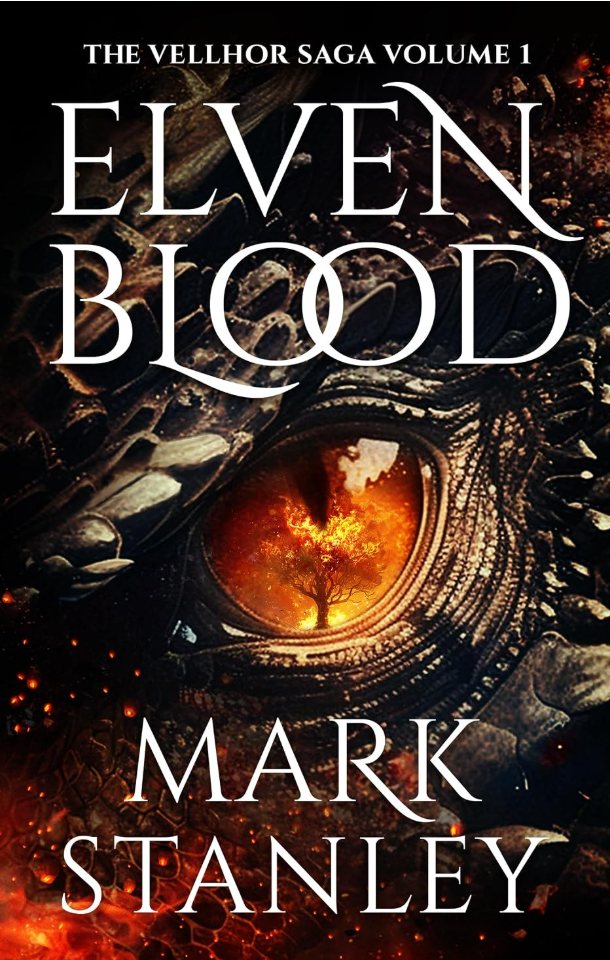
Mark Stanley launched his first fantasy book in July 2024 with the goal of writing full time. We stacked the launch (Book 2 released the same day as Book 1 to drive read-through, Book 3 shortly after), secured editorial reviews for credibility, and adjusted ad budgets weekly toward the most profitable campaigns. Kindle Unlimited page reads became his primary revenue stream. Within months he was averaging $200 a day in net profit.
A stalled catalog: from a $60 monthly loss to a $779 monthly profit

Andy, a seasoned fantasy author, was losing money on ads. In one June, $218 in Amazon ad spend returned $160 in revenue, a $60 loss. We moved his dragon-rider series into Kindle Unlimited, repriced Book 1 from free to $2.99, fixed the ad targeting and creative, and tracked every campaign's numbers. By October: $553 in ad spend, 660 sales, $1,332 in revenue, a $779 profit for the month, with conversion rates above industry average. He then applied the same playbook to his second series, which saw a surge in page reads. Across the two series, page reads grew more than 2,500% in four months.
These are real client outcomes, not guarantees. Book marketing results depend on your catalog, genre fit, and starting point. That's exactly why the numbers are shown: so you can judge the method by its data.
A Marketing Expert: the veteran generalist agency
A Marketing Expert (Author Marketing Experts), founded by Penny Sansevieri, has been in book promotion for more than 25 years, one of the longest track records in the industry. Their strengths are real: deep media and PR relationships, credibility-building for nonfiction authors, and a strategy-first philosophy that favors identifying high-impact opportunities over doing everything at once. Testimonials include Guy Kawasaki and USA Today bestseller Jenny Hale.
The honest contrasts for an SFF author: AME serves every genre, fiction and nonfiction, so speculative fiction is one of many lanes rather than the specialty. Pricing isn't published (you'll need a consultation for a custom proposal), and their own 2026 cost guide places comprehensive marketing support at $7,500 to $15,000+ and book publicists at $1,500 to $10,000 or more.
Choose A Marketing Expert if you want traditional publicity such as media placements, PR outreach, and platform-building, especially for nonfiction. Choose a genre specialist if you're an indie SFF series author whose revenue lives in Kindle Unlimited and ad-driven sales, and you want transparent pricing and per-reader math.
Reedsy: the marketplace route
Reedsy isn't an agency. It's a curated marketplace that accepts about 3% of professional applicants. You filter by service and genre, request quotes from up to five freelancers, and hire through the platform. By Reedsy's own cost data, typical marketing projects run $570 to $1,320: metadata and blurb optimization around $570, advertising around $780, and marketing strategy or email marketing around $910.
Full disclosure again: I'm one of those Reedsy marketers, with 106 reviews and a 5.0 rating since 2019, so I think well of the platform. Its strength is comparison shopping with verified reviews. Its limits are structural: engagements are project-scoped, quality varies freelancer to freelancer, and ongoing strategy is up to you to assemble. If you go the Reedsy route for fantasy or sci-fi, filter for marketers with a real track record in your specific subgenre, and ask every candidate the questions in the checklist below.
BookBub, Written Word Media, and the other names you'll hear
BookBub (Featured Deals roughly $190 to $3,000+ depending on genre and territory, reaching a claimed 15M+ subscribers) and Written Word Media ($25 to $499+ promos through lists like Freebooksy and Bargain Booksy) are promotion platforms, not marketers. They're excellent tools for a price-promo spike, and I use them inside client campaigns, but nobody there builds your strategy or watches your numbers afterward.
Scribe Media and similar premium agencies ($3,500 to $35,000+) are built primarily for nonfiction authors and executives, a poor fit for indie genre fiction. Budget "book marketing packages" from publishing-services companies ($200 to $2,500) typically resell social posts and press releases with little genre targeting.
A telling detail: in PaperTrue's 2026 roundup of the top ten book marketing services, not one specializes in fantasy or science fiction. The generalist model dominates this industry, which is exactly why SFF authors so often burn budget with marketers who are learning their genre on the job.
How to choose a book marketer (and the red flags)
Whoever you're considering, me included, ask these before you pay:
- Do they publish pricing? If every number is hidden behind a sales call, the quote is being fitted to you, not the work.
- Do they specialize in your genre? Ask for case studies with real numbers from books like yours. Not logos, numbers.
- Will they show you cost per new reader and value per new reader? If they can't define those, they can't manage them.
- Do they promise book-one profitability or guaranteed bestseller status? Red flag. The economics of a single book almost never support it, and honest marketers say so.
- Do they push influencer packages or paid reviews? Ask to see the conversion data. In my testing there isn't any, and paid reviews can put your Amazon account at risk.
- Will you own your ad accounts and data when you leave? You should. Everything a marketer builds should compound for you, not for them.
Frequently asked questions
How much does it cost to hire a book marketer for a fantasy or sci-fi book?
Marketplace freelancers (Reedsy) typically run $570 to $1,320 per project. Structured coaching runs about $2,000 to $2,500; Weekend Publisher's six-month program is $2,497. Done-for-you campaign management starts around $4,000. Full-service generalist agencies commonly land at $7,500 to $15,000+ for comprehensive campaigns, per A Marketing Expert's own cost guide.
Is hiring a book marketer worth it for a self-published SFF author?
It depends on your catalog. With three or more books in a series, professional marketing has the strongest ROI, because read-through multiplies the value of every new reader. With one or two books, coaching usually beats done-for-you: you build the reader base, ad data, and skills now so book three doesn't start from zero. Anyone who tells you the answer is always yes is selling something.
What results are realistic?
Documented outcomes from Weekend Publisher clients include a debut fantasy selling 5,372 copies in its first year, a series author reaching $200/day in net profit within months of launch, and a stalled catalog flipping from a $60 monthly loss to a $779 monthly profit. Those are real but not typical of every book. Across all clients, profitability tends to arrive around the three-book mark, with Kindle Unlimited page reads doing much of the work in SFF.
Should I choose coaching or done-for-you management?
Coaching ($2,497) fits authors who have about an hour a week and want to own the skill. Setup is three to ten hours, then roughly an hour a week with software that tracks everything in one place. Done-for-you (from $4,000) fits authors whose catalog is already earning and whose time is better spent writing the next book.
What's the difference between a book marketer and a book publicist?
A publicist earns media attention (reviews, interviews, features) and is priced accordingly, at $1,500 to $10,000+ per campaign. That model suits nonfiction and literary titles, where credibility drives sales. A book marketer drives measurable reader acquisition, usually through paid ads, metadata, and pricing strategy. For indie fantasy and sci-fi, where revenue lives in Kindle Unlimited page reads and series read-through, the marketer model almost always returns more per dollar. A podcast interview rarely moves epic fantasy sales, but a well-targeted Facebook ad measurably does.
Do Facebook ads or Amazon ads work better for fantasy and sci-fi books?
Both, in different roles. Facebook ads are the main driver: they reach readers who have never heard of you and consistently deliver the lowest cost per new reader. Amazon ads support visibility inside the store but almost always cost more per new reader. The process is the same either way: run, measure, adjust, repeat.
Get In Touch
Let's talk
about your
book.
If you write science fiction or fantasy and want marketing decisions made from data instead of hope, tell me what you're working on. We'll look at your catalog and your numbers, and I'll tell you honestly which route fits: coaching, done-for-you, or neither yet.
I typically respond within one business day.
Or email directly
[email protected]