Book influencers: I told authors to skip them. Here's what changed.
Paid book influencers: still no. Two campaigns, 82 influencers, $8,100 spent, 17 sales: $441 to $567 per sale. Unpaid micro influencers: worth a shot once your ads are working. A free copy to a hand-picked creator who genuinely loves your genre costs a paperback and 20 minutes, and one yes out of 200 asks put a self-published book in the top 100 of the Kindle Store. The difference isn't the platform or the follower count. It's whether they chose the book.
A couple of years ago I recorded a video about book influencers. My final recommendation was, and I'm quoting myself here, "I can't say no loud enough."
I still stand by the numbers in that video. But I've changed my mind on the recommendation. Here's why.
What I said before
Two real campaigns, both in 2023, both with authors who were set on using influencers.
Campaign one. 30 influencers. About 140,000 followers combined. We reimbursed the paperback and paid for the shout-out. Total paid out: $2,837. My team spent 26 hours coordinating it.
Result: 28 Amazon reviews. 5 sales. $567 per sale.
Campaign two. 52 influencers, Instagram and TikTok, close to half a million followers combined. Amazon gift cards, plus the author shipped each one a box with a map and a USB drive with a personalized video. Total paid out: $5,300, not counting the boxes and shipping. 44 hours on my side.
Result: 49 reviews. 12 sales. $441 per sale. One reviewer didn't like the book (we paid them anyway for being honest). Two took the money and vanished.
So my conclusion was simple. Paying influencers is an expensive way to get reviews, it gets dangerously close to paying for those reviews, and it doesn't sell books. Run ads instead.
What changed
Two things happened this summer.
The 200-to-1 story. A self-published dystopian romance came out in May. No ads. The authors reached out to 200 influencers and offered a free copy. One said yes and loved it. It took off from there. Three months later: top 100 in the entire Kindle Store, 8,000-plus reviews. I've spoken with the team behind it. They're overwhelmed, in the good way.
The review nobody asked for. An author in my group writes contemporary fantasy. Someone commented on one of his ads about his main character's name, so he googled it. Up came a long, thoughtful review of his book on a Substack he'd never heard of, posted in April. He didn't pay for it. He didn't know the reviewer. They'd never interacted. The guy just read the book and got it.
Neither of those cost a dollar. Both would have been impossible to buy.
The part I got wrong
In my old video I put everything under one label: influencers. But the two campaigns that failed had something in common that had nothing to do with follower counts. We paid people to talk about a book they hadn't chosen.
That shows. When someone is paid to post, the post reads like it. Their followers can tell. When someone picks up a book because they wanted to, and they like it, the post reads completely differently. Same platform, same follower count, different result.
So the stance now is this. Paid influencers: still no, for the same reasons as before. Unpaid micro influencers: worth a shot, once your ads are working.
Index fund vs lottery ticket
Here's how I think about it now.
Ads are the index fund. Boring, measurable, proven. Cost per new reader tells you if they're working. Value per new reader tells you if the business case holds. That's where 90% of your effort should go.
Unpaid influencer outreach is the lottery ticket. Low cost, low odds, big payoff if it hits. The 200-to-1 authors won the jackpot. You don't see the thousands of authors who sent the same emails and got nothing.
But a lottery ticket that costs you a paperback and 20 minutes is a very different bet than one that costs $5,300. And the odds are a lot better than the actual lottery.
How to find book influencers (and four rules for reaching out)
- Free book, no strings. Send the book. Don't pay. Don't send gift cards. Don't ask for a review, and don't tie anything to a review. Amazon doesn't like incentivized reviews and you don't want to be anywhere near that line. If they post, great. If they don't, you're out one paperback.
- Do it after your ads are dialed in. This is a "what's next" activity, not a "first thing" activity. If your ads aren't working yet, fix that first. That's where the money is.
- Build the list with AI, then check every account by hand. Ask ChatGPT or Claude for micro influencers on BookTok, Bookstagram, and Substack in your subgenre and it'll hand you a list fast. Half of them will be dead accounts or haven't posted in a year. Open each one. Are they still active? Do they actually read your genre? Do people comment on their posts? Twenty vetted names beats two hundred guesses.
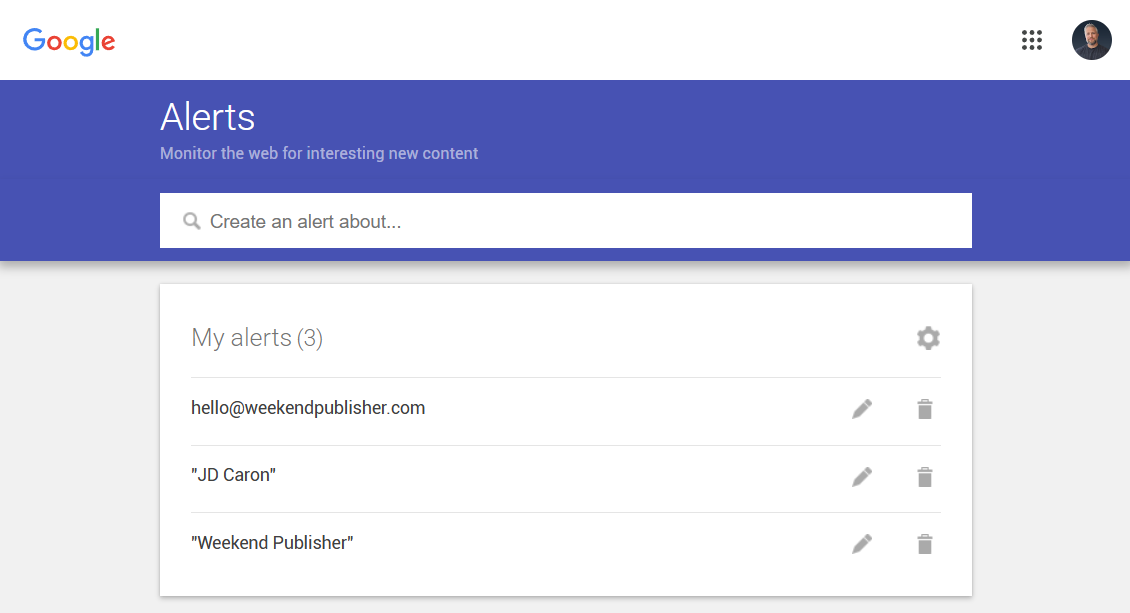
And know what you're signing up for: the outreach is one message at a time, written for that one person. Budget 20 to 30 minutes per name, not five. A message that reads like a mail merge gets treated like one. - Set up a Google Alert. Your book title, your author name, maybe a distinctive character name. It's free. Otherwise you'll miss the review someone posts without telling you, and that review is exactly the kind of thing you'd want to know about.
That's it. Four rules, not a system. If it works for you, tell me. I'm collecting results.
And if you'd rather have someone run the outreach alongside your ads, it's one of the things I run inside done-for-you. Same rules, same honest odds.
FAQ
Do book influencers actually sell books?
Paid ones, in my experience, no. Two campaigns with 82 paid influencers and $8,100 spent produced 17 sales. Unpaid ones can, but only when the influencer picked the book up because they wanted to. One unpaid yes out of 200 asks put a self-published dystopian romance in the top 100 of the Kindle Store. That's the exception, not the average. Treat it as a low-cost, low-odds bet that sits behind your ads, not in front of them.
How much do book influencers cost?
If you pay them: in the two campaigns I ran, it worked out to roughly $95 to $100 per influencer all in, and $441 to $567 per book sold. My recommendation is don't pay. Send a free paperback, which costs you the print price plus shipping, usually $8 to $15. The real cost is your time, because there's no shortcut for the outreach itself. You research each account, write each message yourself, and send them one by one. Call it 20 to 30 minutes per influencer once you count the vetting. The authors behind the 200-to-1 story sent 200 individual messages. That's a work week, not an afternoon.
What counts as a micro influencer for books?
I don't have a hard follower number and I'm suspicious of anyone who does. Engagement matters more than follower count. A reviewer with 2,000 followers who gets real comments on every post is worth more than one with 40,000 who gets none. Before you reach out, run their handle through a free checker like HypeAuditor or Modash to see where their followers are from, how fast they grew, and what their engagement rate looks like. If an account went from 10 to 10,000 followers in a month and they're all from one country that isn't yours, move on.
Related: Cost per new reader vs value per new reader: the two numbers that tell you if your ads are working
Get In Touch
Tried the lottery
ticket? Tell me
what happened.
I'm collecting results on unpaid influencer outreach: what you sent, to how many, and what came back. And if you want a straight read on whether your ads are ready for the "what's next" stage, tell me about your book.
I typically respond within one business day.
Or email directly
[email protected]